
Throughout 2024, IGU actively contributed to international data collection and measurement processes aligned with the SDGs. Through the Sustainability module of the AVESİS Academic Data Management System operating within the university, researchers systematically recorded their projects, publications, thesis studies, and other scholarly activities by mapping them to relevant SDG titles. This structure has enabled the quantification and reporting of the university’s contribution to global sustainability goals.
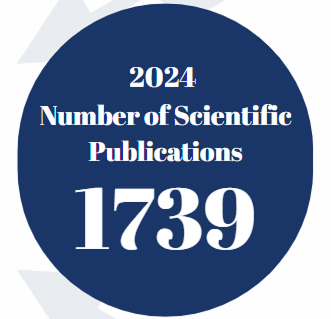
IGU produced a total of 1.739 scientific publications throughout 2024. A significant portion of these were carried out at the international level, including 233 articles in international peer-reviewed journals, 438 articles in other international journals, 477 international conference papers, 30 international books, and 146 international book chapters. Additionally, 5 publications in other categories contributed to the diversification of knowledge production. These publication data reflect the university’s openness to international academic collaborations and support the visibility of scientific outputs within the framework of the SDGs. Click here for more information.
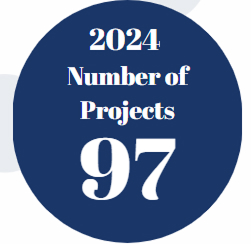
IGU conducted a total of 97 research projects throughout 2024, 6 of which were supported by the EU, Erasmus, Horizon Europe, and other international institutions. These projects reflect the university’s multi-stakeholder collaborations aligned with the SDGs and demonstrate its capacity for international and sectoral partnerships within the scope of SDG 17.2.5. Click here for more information.
Application and Research Centers
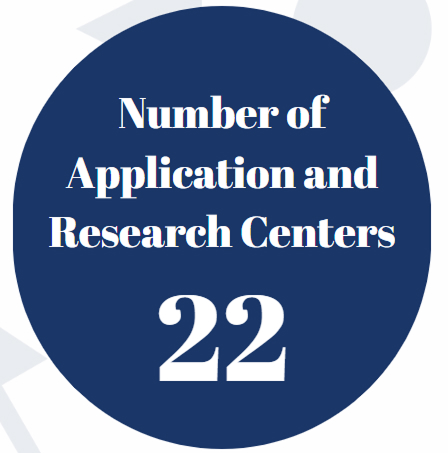
A total of 22 Application and Research Centers operating within IGU serve as key structures that enhance the university’s capacity for academic knowledge production and international collaboration. These centers offer opportunities for interdisciplinary work and support sustainability-based research at both national and international levels. Projects conducted through these centers are integrated into the AVESİS system by being associated with relevant SDG titles, thereby ensuring that the university’s scientific activities directly contribute to the SDGs The Application and Research Centers not only contribute to the increase in academic outputs but also foster the development of multi-stakeholder global partnerships under SDG 17.
Thematic Research Groups established within IGU enhance the university’s interdisciplinary research capacity and diversify scientific output aligned with the SDGs. Operating in 10 strategic thematic areas such as food, construction, automotive, and health, these groups produce socially beneficial scientific outcomes through projects conducted in collaboration with both national and international stakeholders. The studies developed through the thematic research groups offer measurable contributions within the scope of the SDGs, while also strengthening the university’s multi-stakeholder research culture and sectoral engagement capacity.